Road Freight Service Details

  • Home
  • Road Freight Service Details

Need Help? Talk with expert

Call anytime

Request a quote

    Road Freight

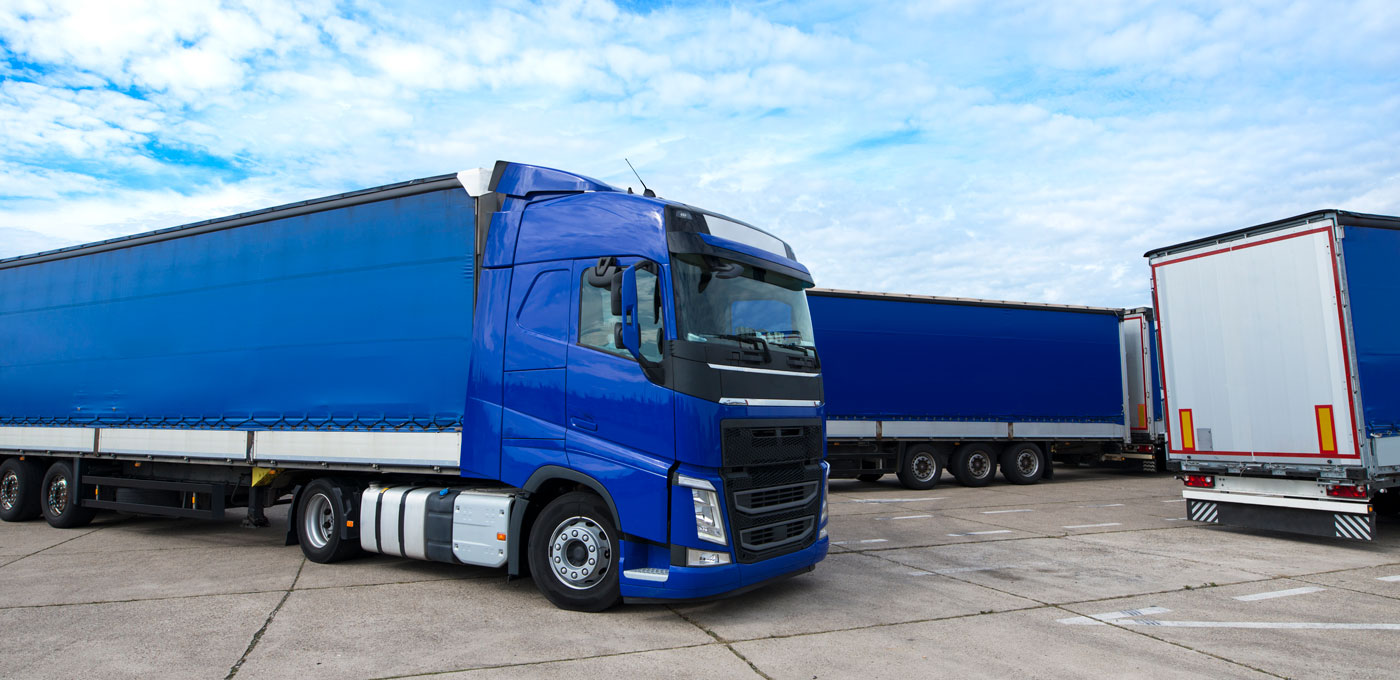
    Road freight, also known as trucking or road transportation, involves the movement of goods and cargo by road using trucks and other vehicles. It is a versatile and widely used mode of transportation that provides door-to-door delivery services. Road freight is essential for both short and long-distance transportation, connecting suppliers, manufacturers, and consumers. It offers flexibility in terms of routes, allowing for easy access to various locations. Road freight is suitable for a wide range of cargo types, from small parcels to large shipments. Efficient road freight management is critical for optimizing delivery times, reducing costs, and ensuring the smooth flow of goods in supply chains.

    Our Areas of Responsibility

    Road freight, also known as trucking or haulage, refers to the transportation of goods by road using trucks or lorries. It is a fundamental component of the transportation and logistics industry, playing a crucial role in the movement of goods within cities, regions, and countries. Here are key aspects of road freight:

    • Packaging and Labeling
    • Documentation
    • Cargo Booking
    • Booking and Consolidation
    • Customs Clearance
    • Container Management
    service_thumb

    Road freight remains a vital and dynamic component of the broader logistics and supply chain network, offering a balance between flexibility, accessibility, and efficiency for the transportation of goods. Advances in technology, including telematics and route optimization, continue to enhance the effectiveness of road freight operations.

    Frequently Asked Question

    Reducing logistics problems requires a comprehensive approach involving technology, collaboration, and streamlined processes. Implementing advanced data analytics and artificial intelligence helps optimize supply chain visibility, enabling real-time tracking and proactive issue resolution. Emphasizing communication and collaboration among stakeholders fosters efficient information flow. Automation of routine tasks enhances accuracy and speed, minimizing errors and delays.

    The best way to manage logistics involves a seamless integration of technology, robust data analytics, and efficient communication. Implementing advanced systems for real-time tracking, optimizing routes, and automating processes ensures agility. Collaboration and transparency among stakeholders are key, fostering a streamlined and responsive logistics management system.

    Logistics can be broadly categorized into several types, including inbound logistics, outbound logistics, distribution logistics, reverse logistics, and third-party logistics (3PL). Each type addresses specific aspects of the supply chain, from procurement and transportation to distribution and product returns, contributing to the overall efficiency of the logistics process.

    Logistics problems can vary widely, but they often fall into common categories. Some of the primary types of logistics problems include inventory management issues, transportation challenges, warehouse inefficiencies, demand forecasting errors, and disruptions in the supply chain due to factors like natural disasters or geopolitical events. These problems can lead to delays, increased costs, and reduced customer satisfaction. Effective logistics management involves identifying and addressing these issues proactively to ensure the smooth flow of goods and services through the supply chain.